
Glamsterdam Cleared Sepolia at 199.6 Million Gas — Hoodi Activates October 26 and December Is the Mainnet Window
Sepolia ran Glamsterdam on October 6 and its gas limit now reads 199.6 million. Hoodi activates October 26 at 17:42 UTC, with December proposed for mainnet.
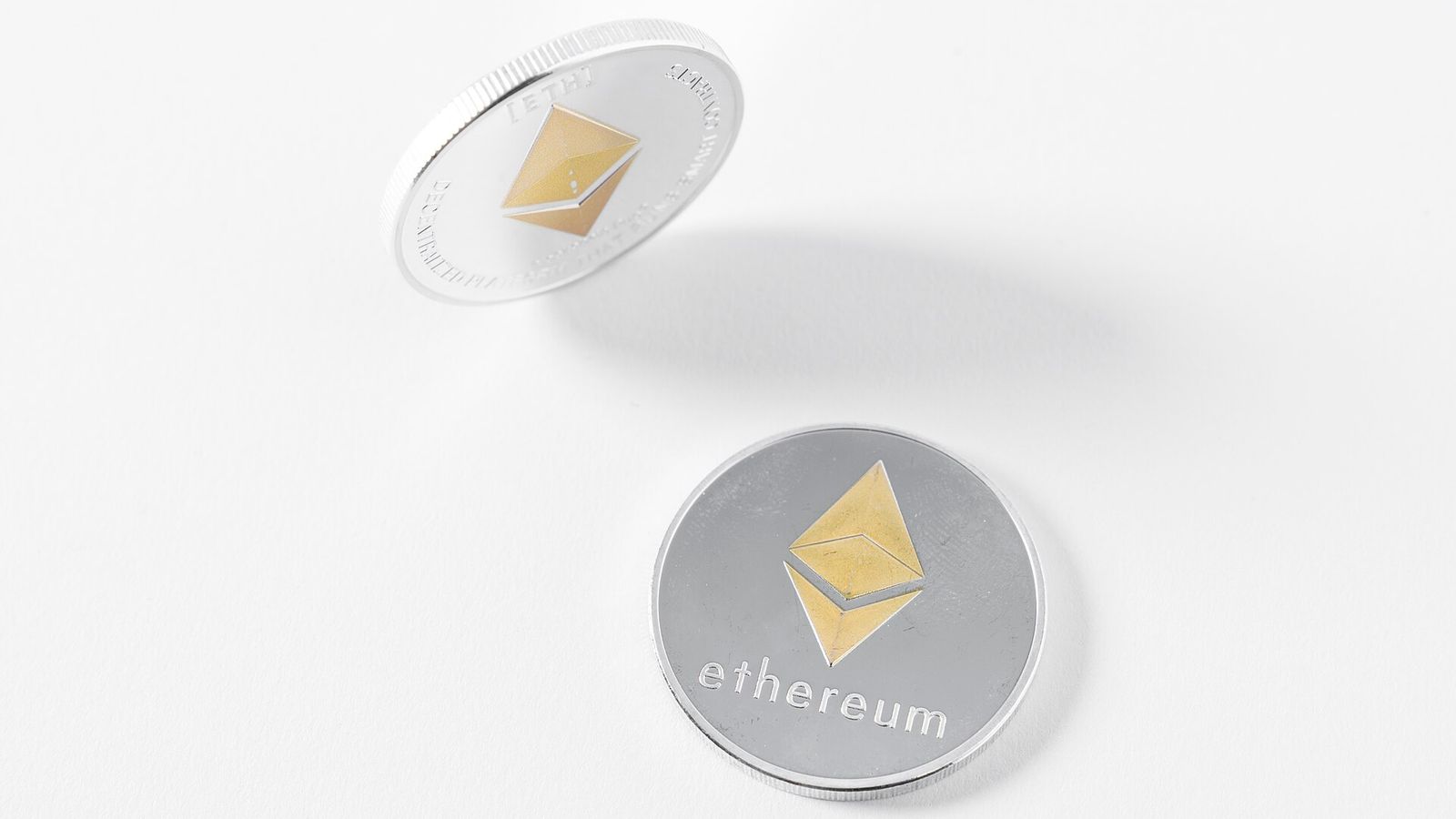
Ethereum's biggest protocol change since the Merge has cleared its first public test. Glamsterdam activated on the Sepolia test network on October 6, 2026 at 13:53:36 UTC, in epoch 353,024 and slot 11,296,768, and the Ethereum Foundation's testnet announcement declares Sepolia the first stop on an upgrade that rewrites how blocks are built and validated.
Read the chain and you can see the upgrade's headline number already live. The latest Sepolia block at the time of writing carried a gas limit of 199,607,854. Mainnet, at block 26,206,136, still reads 60,000,000. No testnet in Ethereum's history has been asked to carry that much execution capacity, and the number is the whole point of the release.
Advertisement
Sepolia Is Already Proposing at 199.6 Million Gas
The 200 million gas limit is not switched on by the fork itself. It is an opt-in from the people who propose blocks. The Foundation's own release notes spell it out: Prysm 7.2.0 supports the Sepolia fork but still defaults to a 60 million gas limit after activation, and Teku 26.9.1 does the same. Validators that want to propose bigger blocks have to configure version 2 proposer settings, use the keymanager API, or pass Teku's builder registration flag with 200000000.
Sepolia's validators did exactly that, and the testnet climbed to the target within hours of the fork. That is the quiet achievement of this upgrade: a public network, running production client software, held a gas limit three times larger than the chain that settles real value.
Advertisement
What Glamsterdam Actually Changes: ePBS and Block-Level Access Lists
Two headliners carry the release. The first is enshrined proposer-builder separation, EIP-7732, which moves the proposer-builder handshake into the consensus protocol. A proposer includes a builder's signed commitment to an execution payload, the builder reveals that payload afterwards, and the protocol pays the proposer from the builder's beacon-chain balance. Ethereum no longer depends on trusted middleware to run the exchange between the two roles.
The second headliner is Block-Level Access Lists, EIP-7928. Every block now carries a list of the accounts and storage slots its transactions touch, plus the values those locations held after execution. Nodes can therefore read state from disk in parallel, validate transactions in parallel, and compute the post-state root without replaying everything in single file. The list is stored apart from the block body, averages about 92.1 KiB compressed at a 60 million gas limit, and must be retained for at least the weak subjectivity period of 3,533 epochs. A missing or spurious entry invalidates the block.
Together they buy time. The official roadmap page describes Glamsterdam's design as a way to decouple execution validation from consensus validation, expanding the window validators have to check a payload from roughly two seconds to nine.
Hoodi Is Locked for October 26 at 17:42 UTC
The next stop was scheduled on October 7, days after Sepolia went live, in a merged developer proposal that put Hoodi's fork in epoch 132,352, start slot 4,235,264, unix 1793134872. That is Monday, October 26, 2026 at 17:42:48 UTC. A second candidate a day later, October 27 at 21:01:12 UTC, was left unused. The pull request also lists the mainnet slots developers are considering.
Hoodi stayed on that date at consensus call 189 on October 15, and the client release race is the immediate bottleneck. Lodestar and ethrex had published compatible versions by the call, Teku targeted October 16, Lighthouse and Grandine were following within days, and the Foundation will publish its Hoodi announcement once enough teams have shipped. The call agenda and the protocol summary of call 189 both record the sequencing.
Builders are the risk nobody can test on paper. Only four or five builders were proposing on Sepolia after its fork, led by Titan and Sigma Prime, which is thin for the role ePBS now enshrines. The execution call on October 8 agreed that Hoodi will test builder participation directly: the goal is to have a registered builder propose one of the first two slots after the fork, with builder deposits and top-ups prepared before activation.
One edge case will stay unpatched. Staking protocols use the first deposit for a validator public key to set withdrawal credentials, which is why they stage small deposits before funding a validator. Glamsterdam adds a one-time builder onboarding path during the fork transition, and a builder deposit sharing that public key can leave the funds credited to a builder instead. A fix was proposed and rejected on timing grounds because Sepolia already runs the specification and Hoodi's client releases were already built. Applications have to handle it themselves.
December Is the Mainnet Window, With Three Candidate Slots
The same developer pull request lists three mainnet candidates: December 1 at 20:38:47 UTC in epoch 493,056, December 8 at 16:29:11 UTC in epoch 494,592, and December 9 at 19:47:35 UTC in epoch 494,848. Nothing is decided. Lido came back preferring December 8 so that more testing can happen with real builders, and the Foundation had been working toward a December 2026 window since its September planning.
One thing is settled. The higher gas limit lands with the fork epoch on Hoodi and on mainnet rather than through a separate change, so the same validators that upgrade their clients will be the ones deciding how large the blocks get.
The Catch: More Gas Means Much More State
A 200 million gas limit is only safe if the database behind it stays manageable. EIP-8037 is the answer, and its numbers explain why the upgrade couples extra capacity with higher state prices. The proposal introduces a cost per state byte of 1,530 gas and targets average state growth of 120 GiB per year at a reference block gas limit of 150 million.
The measurements in the EIP are blunt. A Geth node's state database stood at about 390 GiB in January 2026. When the gas limit moved from 30 million to 60 million, average new state created each day more than tripled, from roughly 105 MiB to 326 MiB. That is about 116 GiB of new state per year. Extrapolate the same behaviour to 200 million gas and the database grows at roughly 387 GiB per year, which puts a node past the 650 GiB mark where performance degrades in under a year. Hence the repricing: creating accounts, deploying code and writing new storage slots all get their own metered state-gas dimension.
Developers get something back in the same release. The maximum contract size rises from roughly 24 KiB to 64 KiB, a deterministic factory predeploy makes identical addresses across chains easier, ETH transfers emit logs, and a slot-number opcode arrives. Contracts that hardcode gas stipends or meter sub-calls through gas-left deltas are the ones to re-test, because the state dimension is metered separately now.
What It Means for ETH
None of this is a price catalyst by itself, and the market is treating it that way. ETH traded at $2,434 on Binance while this was written, down 2.1% over seven days and roughly 50% below its $4,946 all-time high, after a flush to $2,318 on October 15. US spot Ethereum ETFs lost $60.2 million of net assets that day while Bitcoin funds added $5.06 million, according to the latest flow reports. Mainnet's base fee sat near 0.147 gwei, which is the other half of the story: blocks are cheap and half empty, so the case for a 200 million gas limit is about where activity goes next, not about congestion today.
The upgrade matters for what it removes. An enshrined builder market, parallel state reads and a priced state dimension are the groundwork for larger blocks without larger hardware bills, and they arrive before the next round of layer-2 blob capacity. Glamsterdam follows the Fusaka release that brought parallel processing to chains like Ronin's Karst upgrade, and the same design language is now moving onto Ethereum itself.
Glamsterdam follows the Fusaka upgrade, advancing Ethereum's L1 scaling roadmap with enshrined proposer-builder separation, block-level access lists, and changes to gas pricing that better reflect the cost of execution and state growth.
What to watch next is narrow. Client teams have to ship Hoodi builds, the Foundation has to publish its announcement, and on October 26 the question is whether builders propose inside the first slots of a forked network. If they do, December stops being a proposal and becomes a date.
Written by
EarnCrypto.dev Editorial
The EarnCrypto.dev editorial team researches and reviews AI mining platforms, pools and earning tools — publishing only what passes our own checks.
Related reading

ZKsync Proved 99% of 7,200 Ethereum Blocks on One GPU — Vitalik Called the Speed Race Won, and 0.01400 Decides 0.0157 or 0.0124
ZKsync's Airbender Prime proved 99% of 7,200 Ethereum blocks on a single GPU. ZK gave back 23% of its October spike — 0.01400 decides 0.0157 or 0.0124.

Seven of 77 Top-100 Tokens Are Green This Week — Bitcoin's 1.4% Loss and the 79,800 Floor Are the Whole Bull Case
Seven of 77 real top-100 tokens are green on the week while Bitcoin lost just 1.38% and the stablecoin float shrank $1.72 billion. The 79,800 floor decides.
6.04 Million Bitcoin Are Quantum-Exposed — Nine Firms Just Wrote the Test, and March 2028 Is on the Clock
Nine firms launched the Quantum Alliance on 15 October, counting 6.04 million BTC — 30.2% of supply — as quantum-exposed. March 2028 is the date on the clock.