
FinCEN Cut MEXC Off From the US Banking System Over $16.7 Billion — the 30-Day Clock Starts at the Federal Register
FinCEN ordered US banks to stop moving funds to or from MEXC Global over $16.7 billion of illicit flow. The 30-day clock starts at the Federal Register.
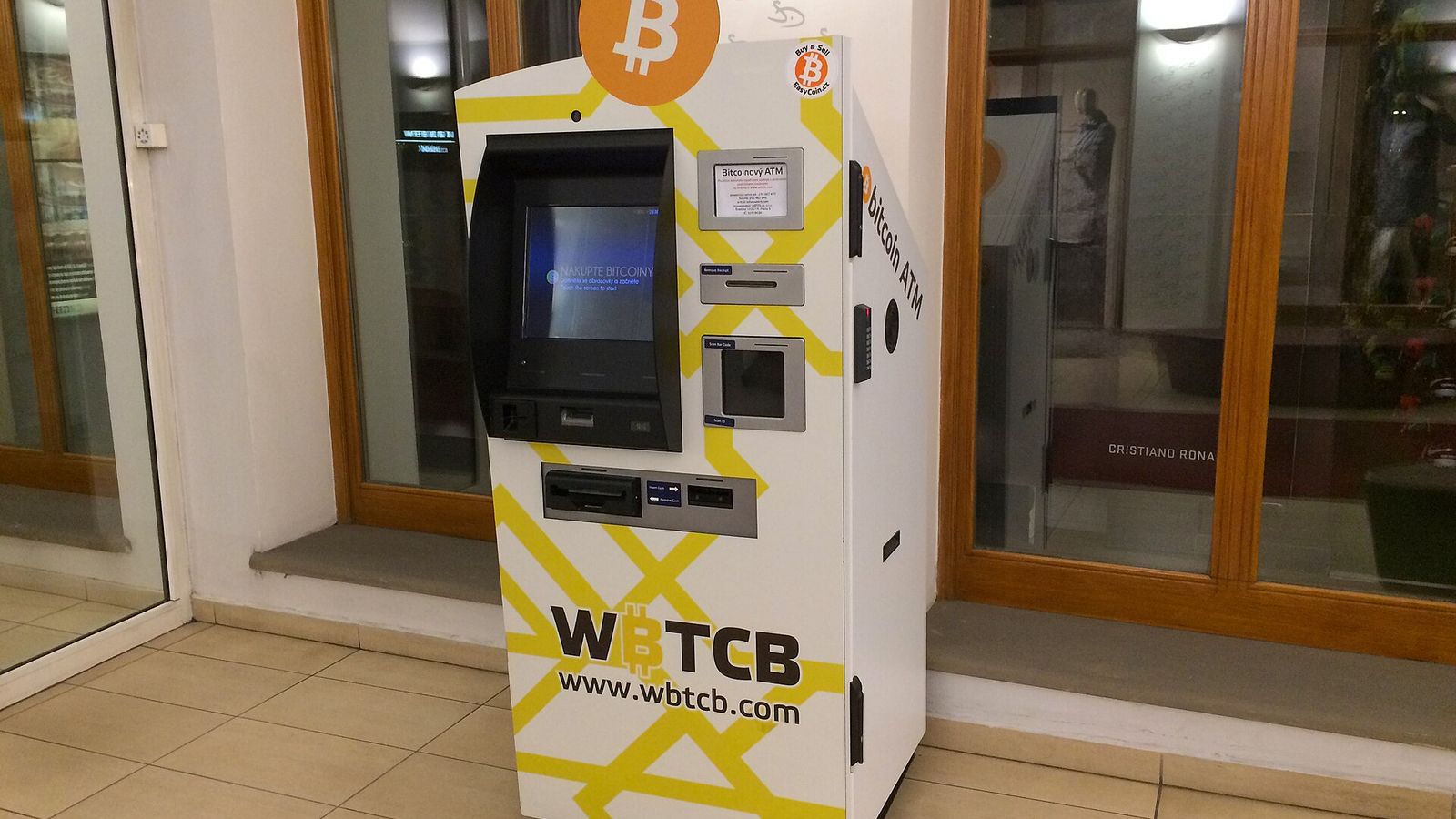
The Treasury's Financial Crimes Enforcement Network issued an order on 6 November that prohibits U.S. financial institutions from any transmittal of funds involving MEXC Global, closing the dollar side of a Seychelles-incorporated exchange FinCEN itself places among the twenty largest convertible virtual currency exchangers in the world. The order finds that MEXC facilitated at least $16.7 billion in likely illicit activity between May 2021 and May 2026 — sanctions evasion for Russia, Iran and North Korea, ransomware, scam proceeds and darknet market flows — while processing $1 billion of transactions a day and holding roughly $5 billion in reserves at the same time.
Secretary Scott Bessent framed the choice as a binary: “Financial institutions cannot have it both ways: Either you support the Iranian regime, or you have access to the U.S. financial system.” The release announcing Operation Economic Outcast is four paragraphs long. The order behind it is not.
Advertisement
What the order does, and when it bites
This is not a sanction and MEXC is not on OFAC's list. The order runs under section 9714(a) of the Combating Russian Money Laundering Act, which allows Treasury to find a foreign financial institution to be of primary money laundering concern and to bar U.S. banks, money transmitters and other covered institutions from transmitting funds to or from it. Violations carry civil or criminal penalties on the U.S. side of the transfer. Bank Secrecy Act duties and OFAC sanctions stay exactly as they were — nothing is lifted, one more corridor is closed.
The scope is the affiliates, not just the brand: MEXC Global Ltd and MX Global Ltd in the Seychelles, MEXC Estonia OÜ, GIDA Technology AG in Switzerland, MXC Global Ltd in the United Kingdom, the former Singapore entities and any successor. Renaming an entity does not exit the order. And the timing is the detail that decides everything: the action is effective 30 days after publication in the Federal Register, and the Treasury release names no date. The copy of the order FinCEN published still carries its Federal Register placeholder, stating it has been submitted and is pending public display — which means, as of this writing, the thirty days have not started.
Advertisement
The ledger FinCEN published
Treasury did not stop at a headline number. On Russian exposure: nearly $1.5 billion linked to sanctions evasion and $232 million in direct transactions with entities sanctioned by the U.S., EU or UK. On Iran: about $1.87 billion of exposure, more than $1 billion of it in direct dealings with 40-plus identified Iranian crypto exchangers, plus $22 million involving the Central Bank of Iran and the IRGC and its Qods Force, and $36 million connected to the Al-Qassam Brigades and other Iran-linked groups. On North Korea: a sanctioned DPRK money launderer, Sim Hyon Sop, receiving roughly $350,000 between June and September 2025, two years after OFAC designated him and published his wallet addresses.
The two figures that got the least attention are the largest. Between May 2018 and July 2026, FinCEN says MEXC directly facilitated more than $13 billion in transactions with at least four high-risk crypto exchangers sanctioned by the UK for funding Russian military operations. And at least $1.99 billion moved to or from illicit cyber actors between May 2021 and May 2026 — the equivalent of about $1.1 million every day for five years — including $37.9 million in suspected ransomware payments across more than 125 variants, and a single deposit address that took in $1.17 million.
The date that does the damage
One line in the order is harder to explain away than any dollar figure. FinCEN says MEXC kept transacting with Garantex — and with Grinex, the successor set up by Garantex staff after OFAC designated the original — as recently as June 2026, more than four years after the April 2022 designation. Not a trickle either: about $129 million with Garantex and $4.1 million with Grinex after those designations were public. That is the difference between a compliance gap and a decision, and Treasury wrote the finding as a decision.
The order also stacks the regulatory record: MEXC has been found operating without a licence in the Seychelles, Hong Kong and Japan, and a Seychelles regulator took enforcement action against MX Global in May 2026. Three jurisdictions, three notices, one platform still clearing a billion dollars a day.
Why $16.7 billion looks small next to the platform
Run the arithmetic Treasury published against itself. Spread across the five years FinCEN measured, $16.7 billion is about $9.1 million a day, against the $1 billion a day the order attributes to MEXC — roughly 0.9% of throughput. That ratio is not a defence, it is the mechanism: illicit flow is built to be a rounding error inside a legitimate one. FinCEN also notes MEXC held about nine percent of global centralized exchange market share as of December 2025, which is why the order reaches for the banking rails rather than the order book. You cannot fine a venue that clears nine figures a day into compliance; you can make every bank that touches it radioactive.
MEXC's answer, and what comes next
MEXC said operations continue normally, that user assets are secure, and that its legal and compliance teams are reviewing the order alongside an independent review of its AML and sanctions controls. All of that can be true and still miss the point: the order does not stop the matching engine, it removes the dollars on the way in. Offshore users can keep trading peer to peer, as Bitcoin Magazine's reading of the order puts it, but the on-ramp is where the customer was, and any institution still clearing for the venue becomes a candidate for penalties the day the clock starts.
Three things to watch, in the order they land. The Federal Register publication date, because that single line starts the thirty days and nothing bites before it. Whether MEXC litigates — section 9714 has been used against far smaller venues before, and a challenge at this size would drag the counterparty evidence into a courtroom. And whether other offshore venues read the precedent as a warning, because Treasury has now shown exactly how it counts: $232 million in direct sanctioned-entity dealings, and a June 2026 transaction with a delisted exchange, are enough to end your access to the dollar system.
The order landed into a market that had already given up its post-election bounce. Bitcoin traded at $76,184 at 09:00 UTC on 7 November, up 0.5% over twenty-four hours and still about 6% below the $81,196 high it printed on 4 November, with Ethereum at $2,249 and Solana at $90.26. Crypto has now had two exchange stories in ten days, and this one arrives through the banking system instead of the chain — the part of the plumbing most traders have never had to price.
Written by
EarnCrypto.dev Editorial
The EarnCrypto.dev editorial team researches and reviews AI mining platforms, pools and earning tools — publishing only what passes our own checks.
Related reading

Russia Opens Bitcoin, Ether and USDT to Retail on November 17 — the 300,000-Ruble Cap Is Per Broker, Not Per Person
Russia cleared Bitcoin, Ether and USDT for retail trading from November 17 with a 300,000-ruble yearly cap that applies to each intermediary, not each person.
MSCI Publishes Its Deletion List on November 11 — Four of Five Ratio Flags and Two Annual Filings Decide Who Actually Leaves
MSCI's non-operating-company screen lands at the November review, effective 30 November. The final list arrives on 11 November — and Strategy is the test case.
Democrats Took Both Chambers and the CLARITY Act Now Has 60 Days to Live Before It Resets to Zero
Democrats took both chambers of Congress. H.R. 3633 failed 49-50 on an ethics clause, and 3 January 2027 resets crypto's market-structure bill to zero.