
Democrats Took Both Chambers and the CLARITY Act Now Has 60 Days to Live Before It Resets to Zero
Democrats took both chambers of Congress. H.R. 3633 failed 49-50 on an ethics clause, and 3 January 2027 resets crypto's market-structure bill to zero.
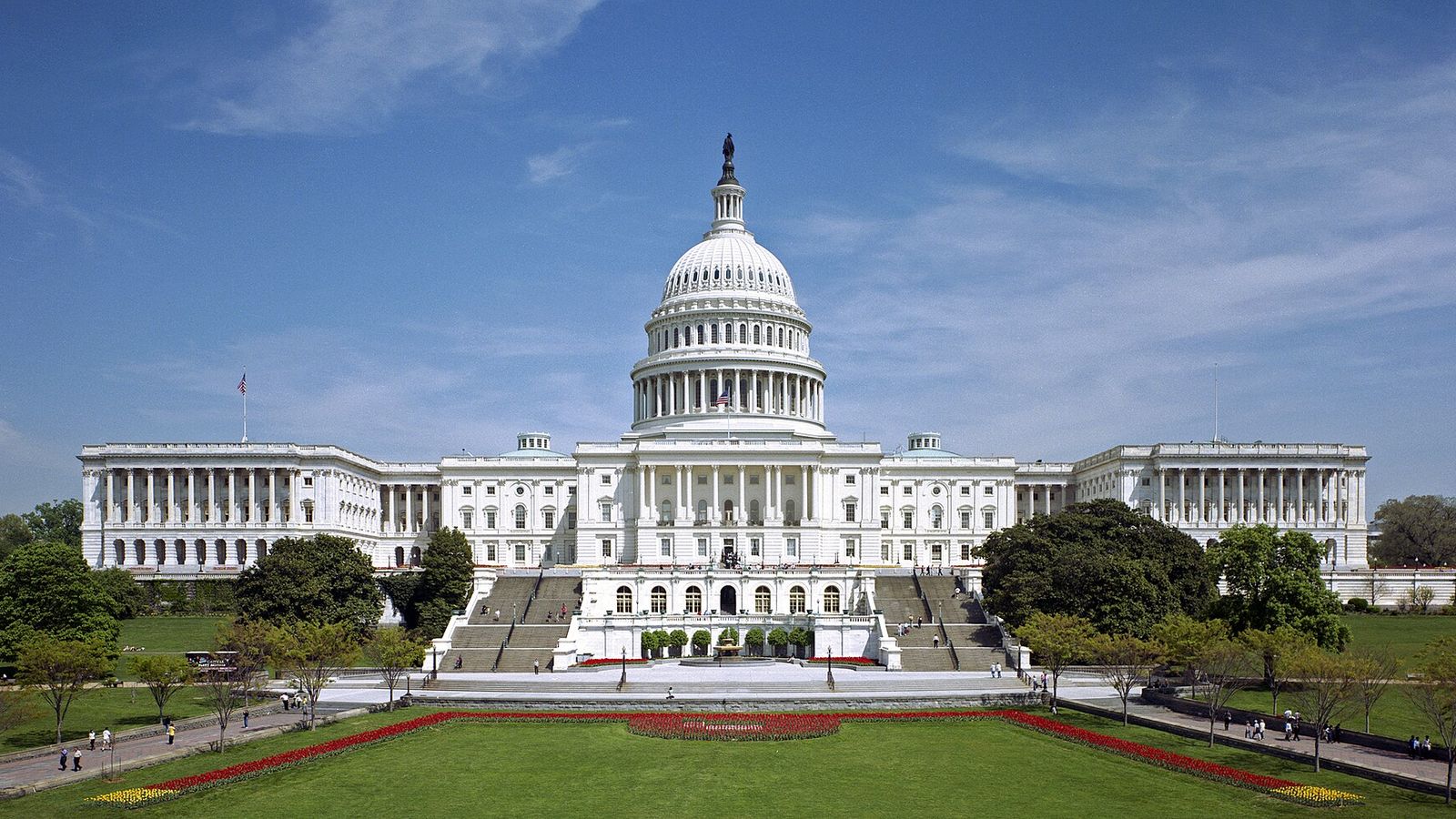
The 2026 midterms did not decide the CLARITY Act. The calendar will. When the 120th Congress convenes on 3 January 2027, every bill that has not been enacted expires with the Congress that introduced it, and H.R. 3633, the Digital Asset Market Clarity Act, is still sitting on the Senate calendar with no vote scheduled. From today that is 60 days, and the Democrats just won the chamber that has to pass it.
One Procedural Door, and Thom Tillis Left It Open
The bill cleared the House in July 2025 and then sat in the Senate for more than a year. On 15 September the Senate voted on cloture on the motion to proceed, the step that merely allows debate to begin, and it failed 49 to 50, well short of the 60 votes required. Tillis, the Republican negotiator, switched his vote to no at the last minute precisely so the motion could be brought back inside this Congress. That manoeuvre is the only reason the bill is not already dead, and it expires with the Congress along with everything else.
Advertisement
What Sank It Was Not the SEC-CFTC Split
The part of the bill everyone had spent two years on, splitting digital-asset oversight between the SEC and the CFTC, was not the problem. The fight was over ethics language covering the crypto holdings of public officials. Angela Alsobrooks, who had negotiated the stablecoin-rewards compromise with Tillis, said Democrats needed “very clear ethics in place to prevent the grift and the corruption that we have seen from this administration.” Republicans pointed to more than 100 revisions they said had already been made at Democrats' request, as Galaxy Research's post-mortem records.
Two Republicans, Josh Hawley and Jerry Moran, voted no anyway, both citing the stablecoin yield question. Chris Coons missed the vote. Two days later, seven Democratic senators who had worked on the text, Gallego, Gillibrand and Warner among them, called the result “a setback, but not the end.”
Advertisement
Galaxy Called the Post-Mortem in September. The Midterms Confirmed It.
Alex Thorn of Galaxy Research wrote on 18 September that while some action was possible in the next Congress, “if Democrats take either or both chambers, the odds are relatively low that Clarity will advance in the 120th Congress.” They took both. Senate Democrats and the independents who caucus with them reached 51 seats after Josh Turek won Iowa, and the House flipped, with the election desk at CNBC projecting at least 245 Democratic seats.
Alsobrooks now says a deal could still be reached before the new Congress convenes, while doubting that a Democratic-led Congress would make the bill a priority, as she put it this week. The room also changes shape. Sherrod Brown, whom CNBC labelled crypto's nemesis, returns to the Senate after beating Jon Husted in Ohio, and the Banking and Agriculture gavels pass to a majority that just campaigned against the ethics status quo.
Four Ways to Spend Sixty Days
The lame-duck session can take up Tillis's motion and hunt again for 60 votes, which is the only route that keeps this exact bill alive. It can pass a narrower version, though every concession on ethics costs votes on yield, and the reverse. It can do nothing, in which case the bill is reintroduced in January, and Cynthia Lummis has already said the next realistic window after this Congress is 2030. Or it can leave the work where most of 2026's crypto policy has already landed: with the agencies.
The Market Stopped Waiting for the Legislative Path
Bitcoin traded at $78,336 at the time of writing, up 0.87% on the session, after printing $75,736.38 overnight, its lowest print since 16 September. It sits 37.9% below the October 2025 record of $126,199.63, and October closed at $77,582.02, down 7.2% from September's $83,623.60.
The institutional bid has been leaving on its own schedule. Spot bitcoin ETFs shed $643.2 million on Friday 30 October, then $514.2 million across the two sessions to 3 November, a three-session total of $1.16 billion. None of that flow depends on a cloture motion, and none of it waits for the Senate.
What Is Actually Left on the Table
The operative rulebook is Regulation Crypto Assets, proposed by the SEC on 18 August: a startup exemption of up to $5 million over four years, a fundraising exemption of up to $75 million in any 12-month period, principles-based disclosure, and a conditional safe harbour from the investment-contract definition once an issuer has done what the rule asks. It moves faster than legislation, it can be rewritten by the next administration, and it is what the industry has instead of a statute.
That leaves a short list to watch before 3 January: whether the Senate gives Tillis's motion floor time in the lame duck, whether Alsobrooks can produce an ethics title that holds 60 votes, who chairs Senate Banking when the gavel changes, and whether the SEC finishes Reg CA before the political weather turns again. For price, the levels the market set this week are the ones in play. $75,736.38 held as the low, $78,718 capped the session, and the bill that was supposed to give crypto its rules has 60 days to find eleven more votes.
Written by
EarnCrypto.dev Editorial
The EarnCrypto.dev editorial team researches and reviews AI mining platforms, pools and earning tools — publishing only what passes our own checks.
Related reading

Russia Opens Bitcoin, Ether and USDT to Retail on November 17 — the 300,000-Ruble Cap Is Per Broker, Not Per Person
Russia cleared Bitcoin, Ether and USDT for retail trading from November 17 with a 300,000-ruble yearly cap that applies to each intermediary, not each person.

FinCEN Cut MEXC Off From the US Banking System Over $16.7 Billion — the 30-Day Clock Starts at the Federal Register
FinCEN ordered US banks to stop moving funds to or from MEXC Global over $16.7 billion of illicit flow. The 30-day clock starts at the Federal Register.
MSCI Publishes Its Deletion List on November 11 — Four of Five Ratio Flags and Two Annual Filings Decide Who Actually Leaves
MSCI's non-operating-company screen lands at the November review, effective 30 November. The final list arrives on 11 November — and Strategy is the test case.