
The 20-Year Bitcoin Lockup Is One House Vote Away — and Calendar No. 789 Still Cannot Buy a Single Coin
H.R. 8957 is on the House Union Calendar as No. 789 with a 20-year bitcoin lockup, 23 cosponsors and no floor date set — in a month bitcoin fell 20.5%.
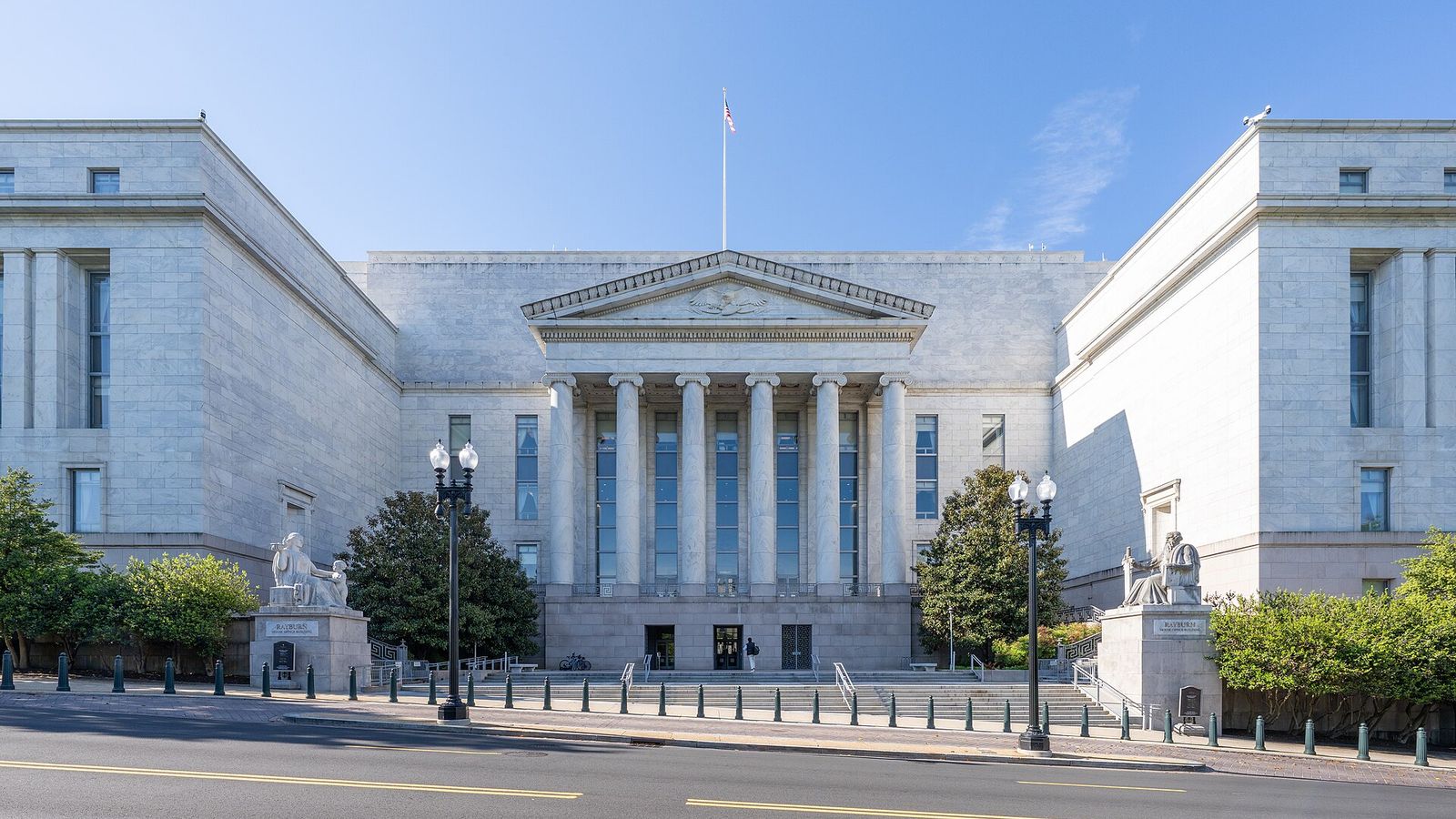
The House Financial Services Committee filed its report on H.R. 8957, the American Reserve Modernization Act of 2026, on Nov. 24, and the bill went onto the House's Union Calendar as No. 789. That is a procedural step, not a vote: the reported text still has to clear the House floor, the Senate and a signature. But it is the first time a statutory bitcoin lockup has reached a calendar position where a floor vote can actually be scheduled.
What the committee filed is narrower than the bill it started from. The reserve already exists under Executive Order 14233, signed in March 2025, and an executive order can be unwound by the next president. A statute cannot — which is the entire argument for the exercise, and also why the version that reached the calendar is worth reading line by line.
Advertisement
What the Filed Text Actually Builds
Within 180 days of enactment the Treasury secretary must establish a Strategic Bitcoin Reserve and a separate Digital Asset Stockpile. Bitcoin the federal government already holds moves into the reserve; other seized or forfeited digital assets go to the stockpile. Federal agencies get 60 days to hand Treasury a full accounting of what they hold, and the coins themselves move to Treasury custody. Until the reserve exists, agencies cannot sell those assets except for national security, where a law or court requires it, or to return property to crime victims.
Section 5 is the bill. Treasury has to hold every bitcoin acquired by the United States, whatever the acquisition method, for at least 20 years from enactment.
Advertisement
During such period, no bitcoin held in the Strategic Bitcoin Reserve may be sold, swapped, auctioned, encumbered, or otherwise disposed of for any purpose.
After the 20 years the secretary may recommend releasing up to 10% of the reserve in any two-year period, and must send Congress a set of recommendations two years before the holding period expires. Proof-of-reserve reporting was cut from quarterly to annual at the markup: total holdings, transactions and control of private keys, checked by an independent auditor with expertise in cryptographic attestations and overseen by the Comptroller General. Bitcoin arriving from a blockchain fork or an airdrop is locked for one year, down from five in the introduced text.
What the Committee Took Out
The May version asked Treasury and Commerce to study funding bitcoin purchases with surplus Federal Reserve remittances or a revaluation of the Fed's gold certificates. Both options are gone. The study that survived looks at swapping digital assets already sitting in the stockpile, forfeitures and settlements, and partnerships with states or private entities — and states that nothing in it authorises borrowing, pledging government assets as collateral, new taxes or deficit spending to buy bitcoin.
The committee also amended the bill's title to drop the reference to offsetting costs with Federal Reserve resources, and removed a section that would have required the Exchange Stabilization Fund to report its bitcoin holdings. Strip those out and Calendar No. 789 is a custody-and-lockup statute, not an accumulation mandate. It can freeze what the government already has for two decades; it gives Treasury no new money to add to it.
Why the Calendar Number Matters More Than the Text
The committee advanced the bill 28-21 on Sept. 16, ten weeks before the report was filed, after adopting a substitute amendment from Rep. Bryan Steil by voice vote. Ranking member Maxine Waters' amendment failed on the same 21-28 split. Rep. Nick Begich introduced the bill on May 21 with Rep. Jared Golden as the only Democratic co-lead; it now carries 23 cosponsors, 22 of them Republican.
The calendar placement also landed three weeks after Democrats won control of both chambers in the midterms. On Nov. 25, four Democratic senators sent letters to SEC Chair Paul Atkins demanding he rescind the Regulation Crypto Assets proposal and withdraw the tokenized-stock exemption that let a joint venture begin 24-hour tokenized US equity trading the same day. A bitcoin reserve statute now needs floor time from a House that has not scheduled it, and a Senate whose incoming majority has spent the month attacking the SEC's crypto exemptions.
The Market Is Pricing a Different Question
Bitcoin trades at $61,681, up 2% over 24 hours and 20.5% below its Oct. 31 close of $77,582. The November low of $55,130 printed on Nov. 21, a 32% drawdown from the month's $81,196 high, and price is running under the 200-week moving average at $68,365 on Binance weekly closes.
That is the tension inside the calendar number. One of the hardest supply restrictions ever written into a US bill is a single floor vote away, and it arrives in the same month the asset gave back a fifth of its value. A 20-year lockup does not do anything for the next 20 weeks, and the reserve it protects holds coins the government already owned rather than coins it is about to buy.
What to Watch Next
Three dates decide this. A House floor schedule that has not been published; a Senate Banking Committee that would have to take up a bill its majority has not endorsed; and the two-year pre-expiry review that only becomes relevant if the first two happen. Until a floor vote is noticed, Calendar No. 789 is a number with a 20-year clause attached and no clock running.
Supply is the part of this story that does not depend on a floor vote. Our issuance and halving tracker keeps the schedule that the lockup clause is trying to freeze in place, block by block.
Written by
EarnCrypto.dev Editorial
The EarnCrypto.dev editorial team researches and reviews AI mining platforms, pools and earning tools — publishing only what passes our own checks.
Related reading
Portal Squeezed 214% on 135x Volume With Nothing Announced — Open Interest Went Six-Fold and 0.0340 Decides 0.0437 or 0.0279
Portal ran from 0.0125 to 0.0437 in one session on 135 times its average volume, open interest up six-fold and 76.7% of accounts short. 0.0340 is the line.
A Forged Route Stole 1.9 EH/s From Bitcoin Miners — 1,000 Sites Went Dark in the Same Second and the Fix Is One URL
Braiins says a forged BGP route redirected miners on plain Stratum V1 to an imposter pool from 7 to 20 November, peaking at 1.9 EH/s. No breach was needed.
Nvidia Agreed to Pay $290 Million Over GeForce Sales Booked as Gaming — the Miners Were the Buyers
Nvidia agreed to pay $290 million over GeForce revenue it booked as gaming while miners were the buyers — seven years after the 2018 crash pulled demand out.