
Orphan Miner Review: The Block Is 3.125 BTC — I Took a 50 TH/s Seat on the Live Bitcoin Network and the Sats Landed Every Morning
Orphan Miner turns a committed seat into a slice of the live Bitcoin network: 50 TH/s, 1-in-19-million block odds and sats landing in the ledger every morning.
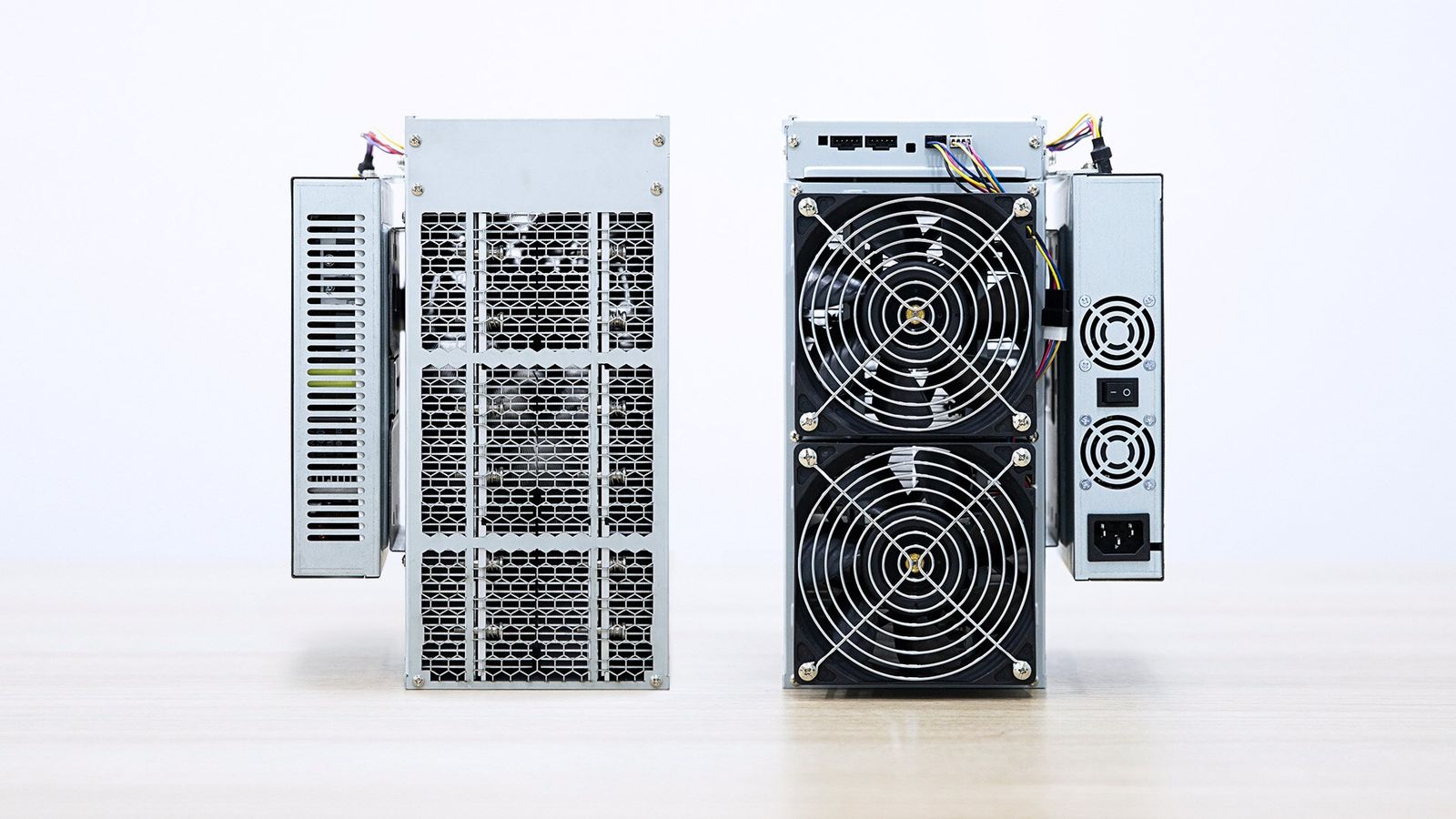
The Bitcoin network is at block 969,751 tonight, running 950 EH/s of hashrate into 132.72 T of difficulty, and the block on the tip carried 3.21924832 BTC — $273,582 at tonight's $85,014 print. That is the pot, and the chain hands it out roughly 144 times a day. Orphan Miner starts from that sentence instead of hiding it: the block is 3.125 BTC, someone takes it, and the page shows you exactly what a seat on the network is worth before you pay for one.
It opens on the live chain and nothing else. Block height and the tip timestamp, network hashrate, difficulty, the current pot in sats and dollars, the countdown to the next block, and the source line at the foot of the page naming where all of it comes from. Then it asks you for one thing: a seat.
Advertisement
The Seat Is a Hashrate Contract Against the Live Network
A seat is bought with a single commitment, not a subscription. You pick a tier, commit once, and the page converts that commitment into bought hashrate and a share of the network measured against the hashrate printed above it.
The starter seat takes 0.01 ETH or 0.25 SOL and buys 50 TH/s. The operator seat takes 0.025 ETH or 0.5 SOL for 250 TH/s. The lone wolf seat takes 0.05 ETH or 1.00 SOL for 1,000 TH/s. Both rails are crypto-native, and the withdraw side settles to the same chain you paid from.
Advertisement
Under the numbers sits a ledger that keeps the seat honest: blocks watched, blocks resolved, sats earned, the BTC equivalent of the balance, and a withdraw rail. The blocks resolved counter only moves for blocks the seat was live for, which is why the seat has to be held rather than refreshed.
50 TH/s on a 950 EH/s Network: The Math, Unrounded
At the starter tier the page prints the share it is selling: 0.00000526% of the network. Against tonight's 950 EH/s that is a genuinely small slice, and 1 in 19,000,363 is the exact odds the page quotes on the block currently on the tip.
The seat page quotes 4,737 sats a day — about $4.03 at tonight's price — for the 50 TH/s seat. The ladder scales linearly with the commitment: 250 TH/s carries 0.00002631% of the network and 23,676 sats a day on the plan table, and the 1,000 TH/s seat carries 0.00010523% and 94,706 sats a day.
Small shares are the honest description of Bitcoin in 2026. Of the last 1,027 blocks, Foundry USA signed 259 of them (25.2%), AntPool 221, F2Pool 167, ViaBTC 94 and SpiderPool 76 — the five largest pools together account for 79.6% of every block mined. The largest pool in the world still leaves one block in four for everyone else.
The other side of that ledger is where pooled miners get paid for submitting shares and solo seats get paid only for the block. Orphan Miner states the trade rather than burying it — one seat against the whole network, a timer that only counts the blocks the seat was live for, and a pot worth 3.21924832 BTC when the network hands it over. The next difficulty retarget sits 1,961 blocks away and the current read is a 2.9% cut, with the fastest fee in the mempool at 6 sat/vB.
Commit Once, Arm the Trigger, Nothing Else to Pay
The trigger ships locked. Until a hashrate commitment lands, the page keeps it that way — nothing to pay, nothing to mine — and says so in as many words.
Commit and the trigger arms. From there the loop is short: hold the seat through the next block, let the network do the mining, and read the ledger. Blocks watched counts the blocks the seat was live for, sats earned counts what the seat captured, and the withdraw button settles the seat in ETH or SOL whenever you want it settled.
Wallet connection is WalletConnect or an injected wallet, and the identity and balance fields fill in on the same panel. The whole interface is one page and three panels — the rig, the trigger, the ledger — and the numbers in them move because the chain in front of them is moving.
What the Seats Actually Report
The seat reports on the tool's own review page read like a hashrate ladder. One player on the starter seat: “started on the 50 TH/s plan, sats show up every morning. nice.” One on the 250 TH/s rung: “250 TH/s here, around 23k sats a day no joke.” And the top of the ladder: “upgraded to 1000 TH/s, seeing almost 95k sats daily. crazy.” The payment report matches the rails on the page — “paid in sol and it worked smooth, 0.25 was enough to start.”
LIVE BITCOIN NETWORK DATA. NOTHING HERE IS INVENTED.
Commit a seat on Orphan Miner and watch the ledger fill while the chain does the work. The same live feed the page renders — block height, hashrate, difficulty and the pot — is public at mempool.space, and the pool distribution behind those blocks is at mempool.space/mining.
If you want to price a seat against your own hashrate before you commit, the mining calculator on the site does that arithmetic, and every seat in the ladder is listed alongside the rest of the Orphan Miner tool page.
The block is 3.125 BTC. Someone takes it. Orphan Miner is the cleanest version of that trade I have seen on the network — a seat, a trigger, a ledger, and a block timer that does not care which way the candle closed.
Written by
EarnCrypto.dev Editorial
The EarnCrypto.dev editorial team researches and reviews AI mining platforms, pools and earning tools — publishing only what passes our own checks.
Related reading

Pudgy Penguins Faucet Review: 3 PENGU Every 15 Minutes and an Instant Phantom Withdrawal
The Pudgy Penguins Faucet pays 3 PENGU every 15 minutes to a Solana wallet — instant Phantom payouts with no minimum, and 2,464 PENGU is the $20 queue line.

Jupiter Faucet Review: 0.15 JUP Every 15 Minutes and an Instant Phantom Withdrawal With No Minimum
The Jupiter Faucet pays 0.15 JUP every 15 minutes — the token behind Solana's biggest DEX aggregator — with instant Phantom withdrawals and no minimum.
BTC TX Claimer v0.2.1 Review: 80,749 Transactions in the Mempool and Two Ways to Re-Sign One
The mempool holds 80,749 unconfirmed transactions at a 1 sat/vB floor. BTC TX Claimer v0.2.1 re-signs a stuck transfer two ways — cloud fee or local WIF key.